Kompetenz in der dentalen Chirurgie und Implantologie
Your cart is currently empty
Product image slideshow Items


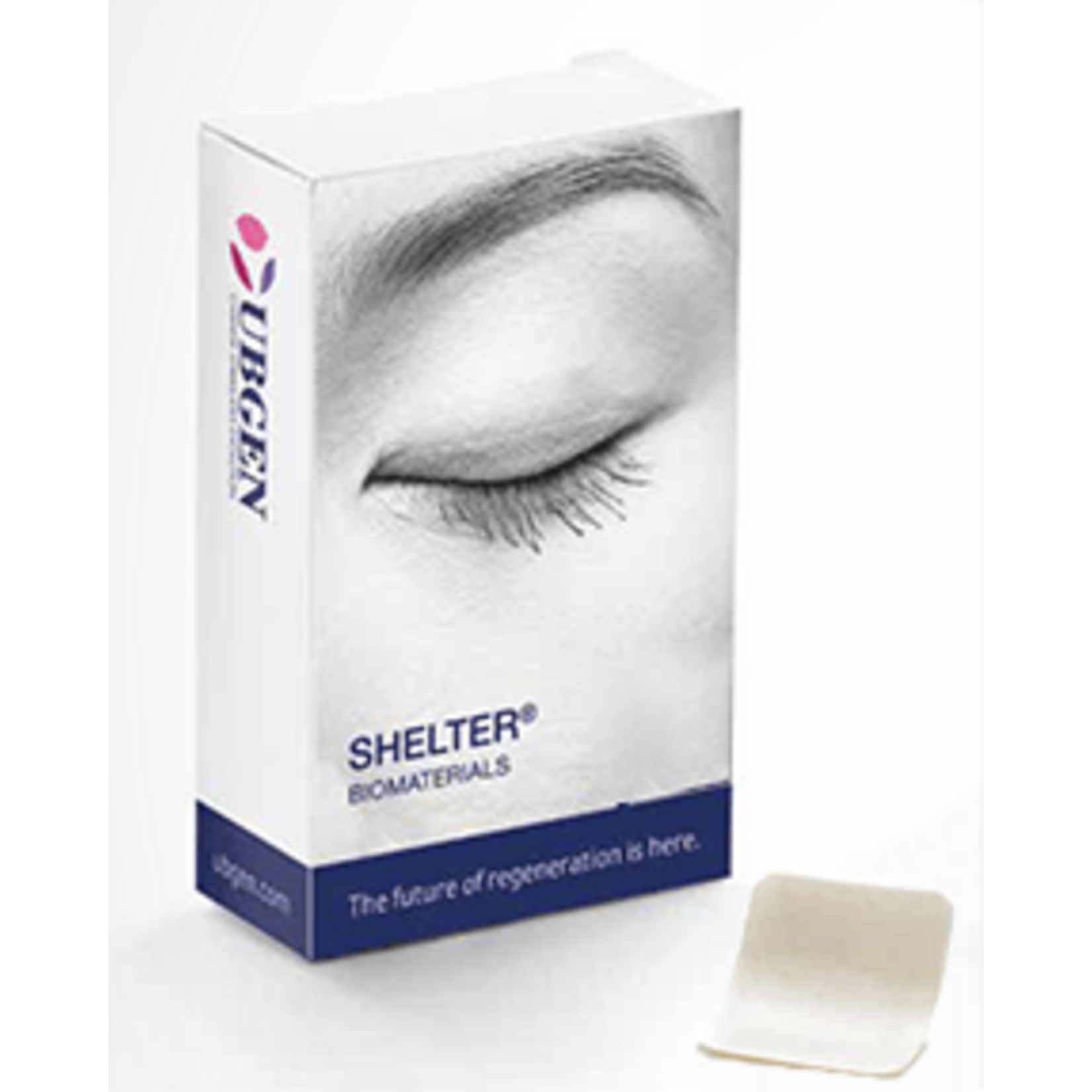
Bovine Resorbable bovine bone graft material with THERMAGEN® low-temperature processing for bone regeneration and augmentation.
Resorbable bovine bone graft material processed at low temperature using the THERMAGEN® process to support bone regeneration.
RE-BONE® is derived from bovine bone and processed at low temperatures using the THERMAGEN® process. The low-temperature decellularisation process is designed to preserve the natural porous bone matrix while avoiding ceramisation associated with high-temperature processing.
The preserved macro- and microporosity provides an osteoconductive scaffold supporting vascularisation, cellular colonisation and progressive bone regeneration. UBGEN states an average resorption time of approximately 6–8 months for RE-BONE®.
RE-BONE® acts as an osteoconductive scaffold to support bone regeneration. Different granule sizes as well as Syringe and Block presentations allow the material to be adapted to different defect morphologies and surgical requirements.
| Rehydration | The granules may be rehydrated with physiological saline solution. For the Syringe presentation, the manufacturer also specifies patient blood or platelet concentrate for rehydration. |
| Granules | The defect is filled with the granules. Overfilling should be avoided to allow tension-free wound closure. |
| Syringe | The pre-filled application syringe enables rehydration followed by direct placement of the granules into the defect. |
| Block | The cancellous RE-BONE® Block can be trimmed and adapted according to the geometry of the defect. |
RE-BONE® is a bone graft material of bovine origin. This means that the source material is derived from cattle. It undergoes a specialised low-temperature processing procedure designed to preserve the natural porous structure of the bone matrix as far as possible.
The material acts as a scaffold for the formation of the patient's own bone and is progressively resorbed during the healing process. Whether a bovine, human-derived or synthetic bone graft material is appropriate depends on the individual clinical situation and the patient's personal preferences.
| Animal-derived? | Yes – bovine (cattle) |
| Human-derived? | No |
| Synthetic? | No |
| Resorbable? | Yes – according to the manufacturer, approximately 6–8 months on average* |
| Role of the material | Osteoconductive scaffold during bone regeneration |
ImplAg Guidance
RE-BONE® combines a natural bovine bone matrix with low-temperature processing and a defined resorption concept. In addition to bovine bone graft materials, human-derived and fully synthetic alternatives are also available.
* The average resorption time of 6–8 months corresponds to the manufacturer's information for RE-BONE®. Actual resorption and healing times may vary depending on defect geometry, anatomical site and individual patient factors. Selection and use of the bone graft material are the responsibility of the treating dental professional and should be based on the individual indication.
Find the order you'd like to withdraw
Enter your email address and order number.
Check your mailbox
If your details match an order, you'll receive an email with a link to view and manage it.