Kompetenz in der dentalen Chirurgie und Implantologie
Go to wishlist Wishlist

Shopping cart

Your cart is currently empty

Product image slideshow Items
  • NiTi Brush
  • NiTi Brush
  • NiTi Brush
  • NiTi Brush
  • NiTi Brush
  • NiTi Brush

NiTi Brush

€39,50 *

* Excl. tax Excl. Shipping costs
  • Buy 4 for €31,25 each and save 21%

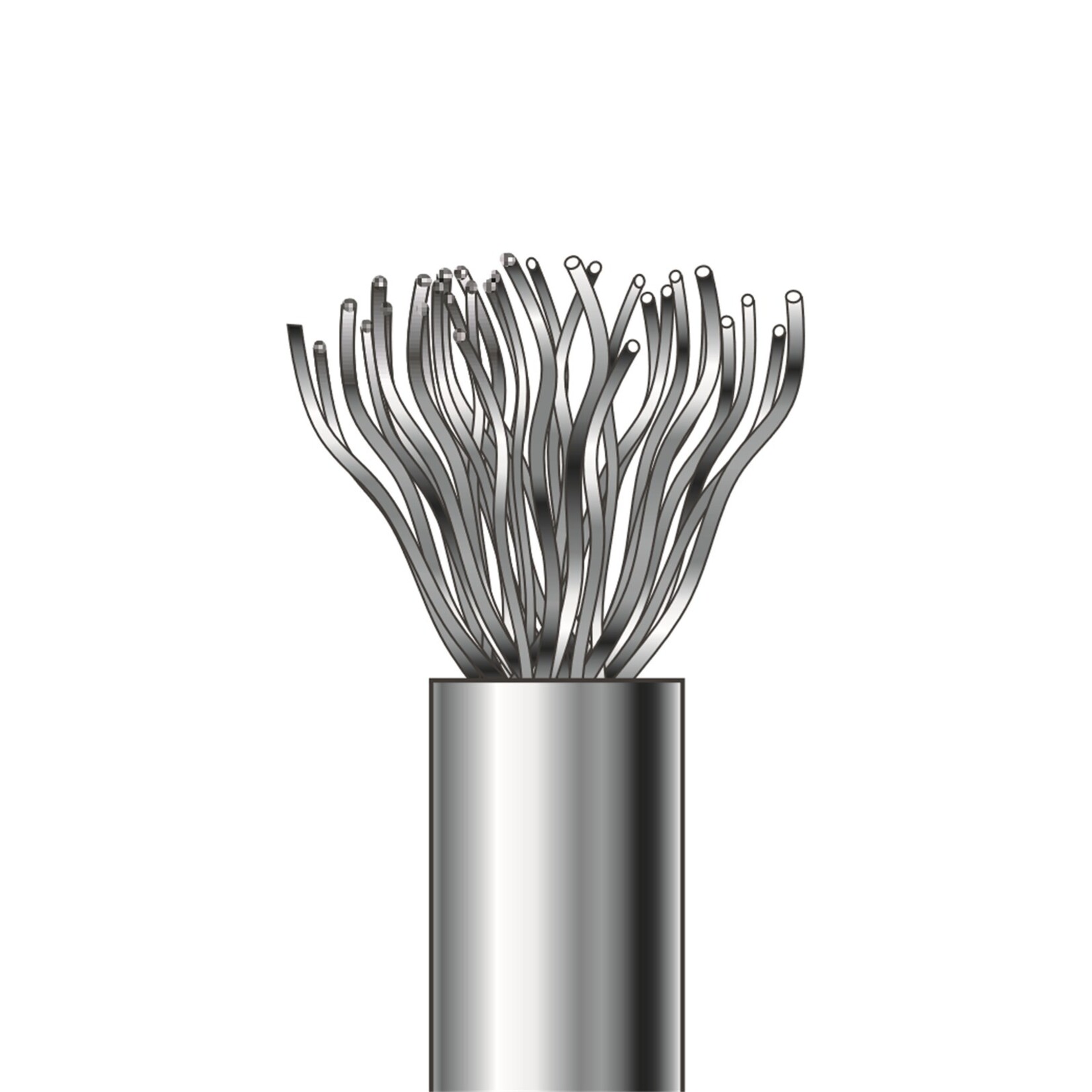
NiTi Brush – nickel-titanium brush for peri-implantitis therapy
PERI-IMPLANTITIS · IMPLANT DECONTAMINATION · HANS KOREA
NiTi Brush
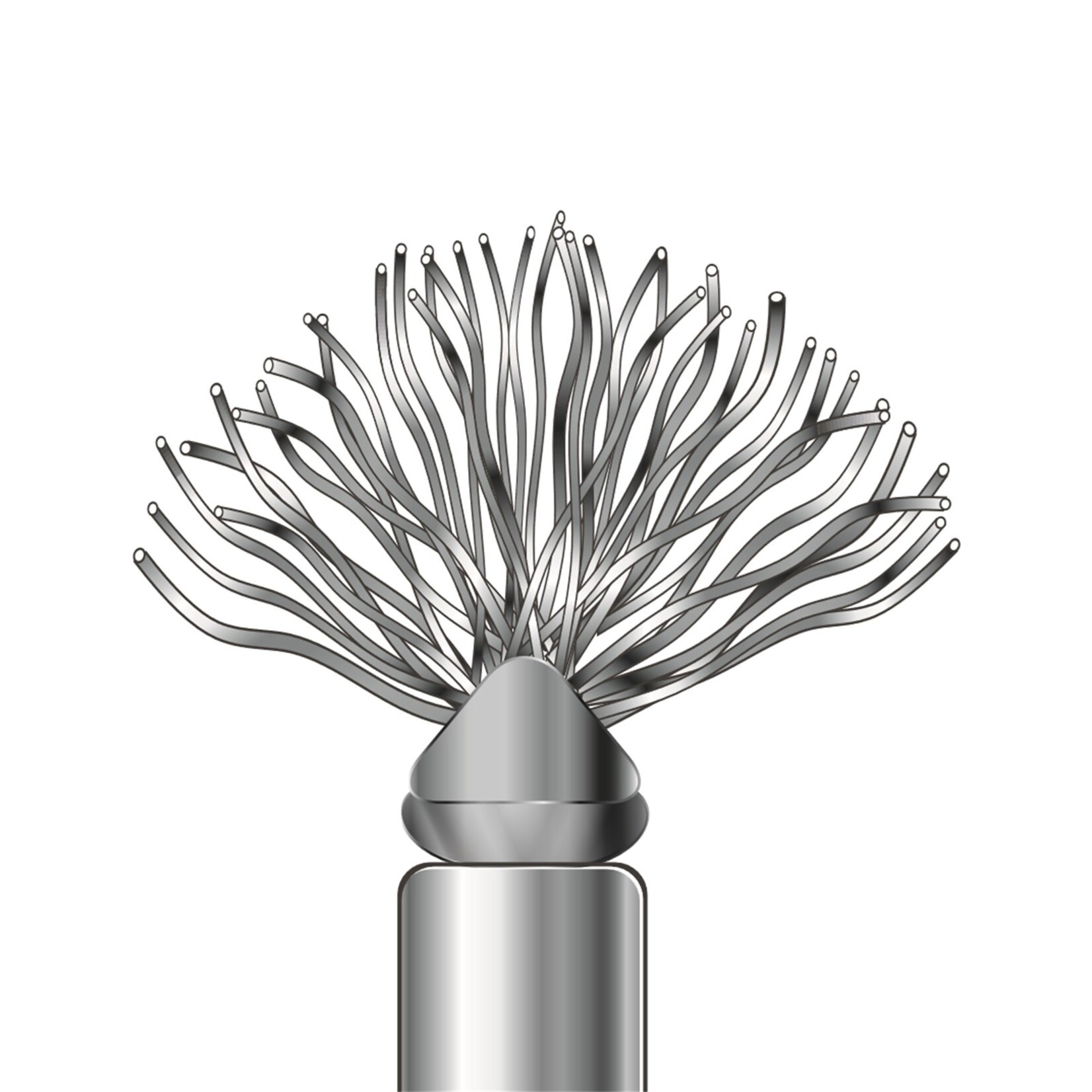
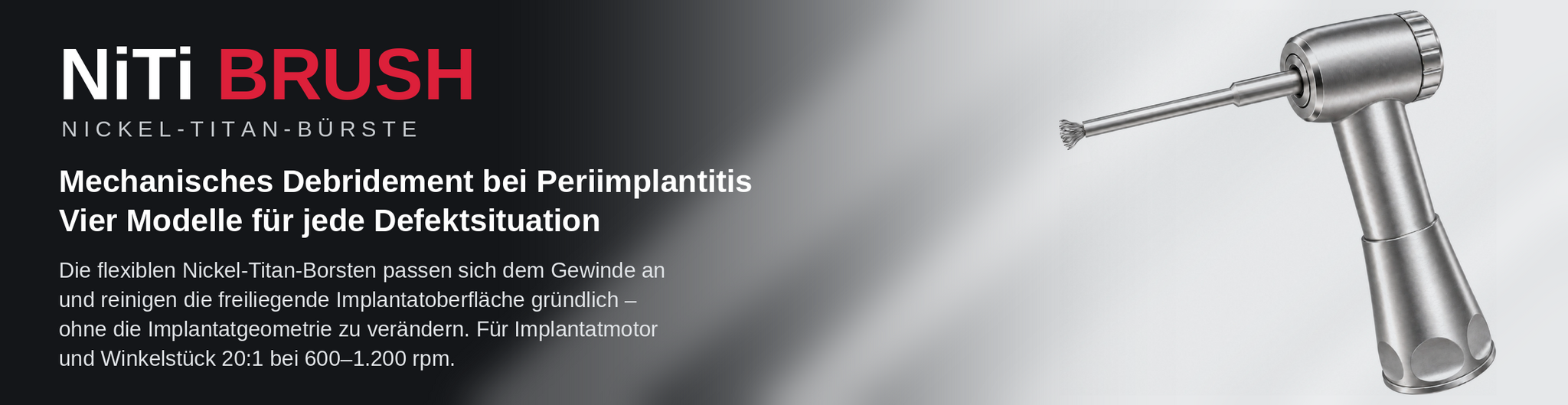
Rotating nickel-titanium brush for mechanical debridement of contaminated implant surfaces in peri-implantitis – in four models for different defect situations.
BRISTLES
Nickel-titanium
Shape-memory alloy
SPEED
600–1,200 rpm
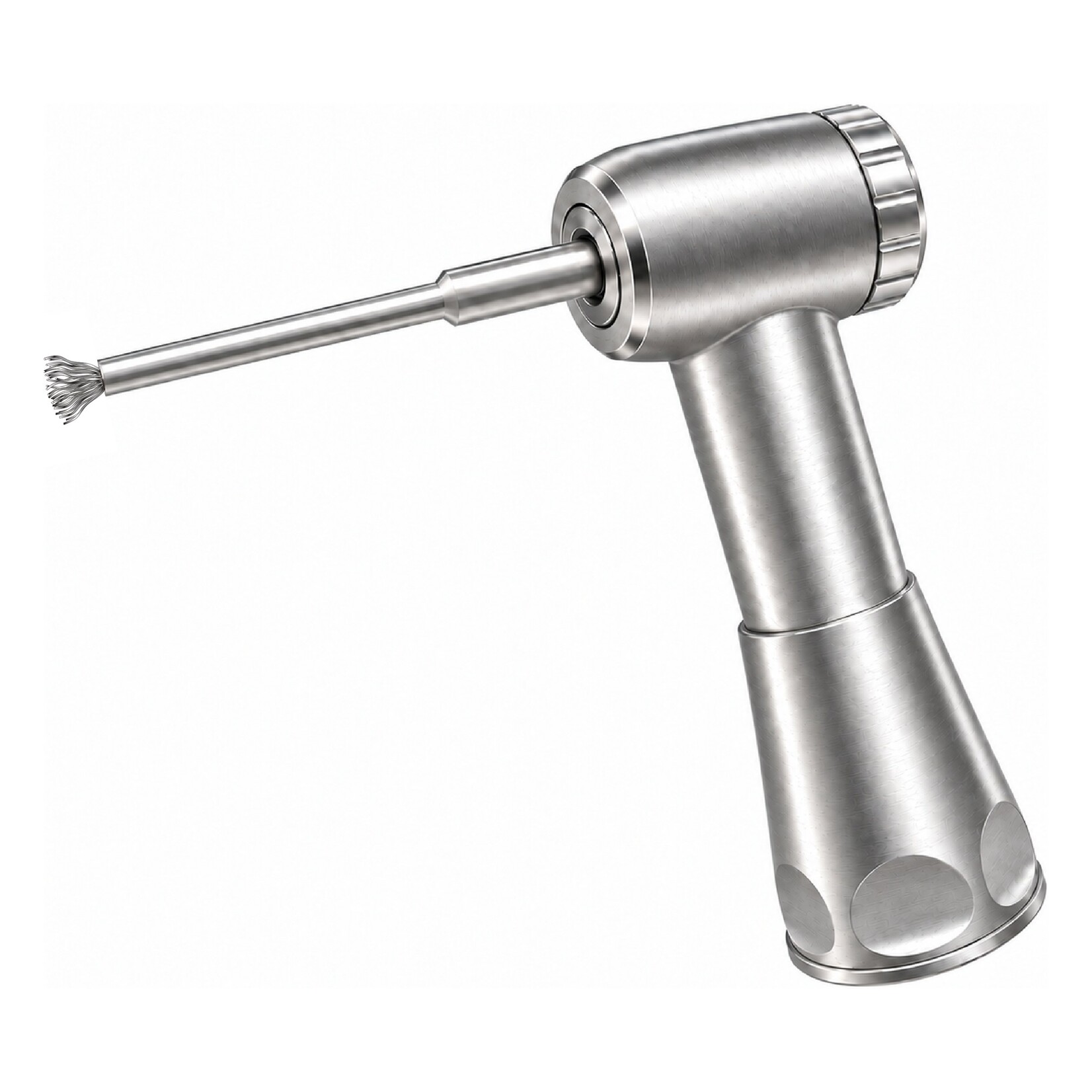
Implant motor, 20:1 handpiece
COOLING
Sterile saline
Continuous external irrigation
USE
Single use
Supplied non-sterile
MODELS
4 brush shapes
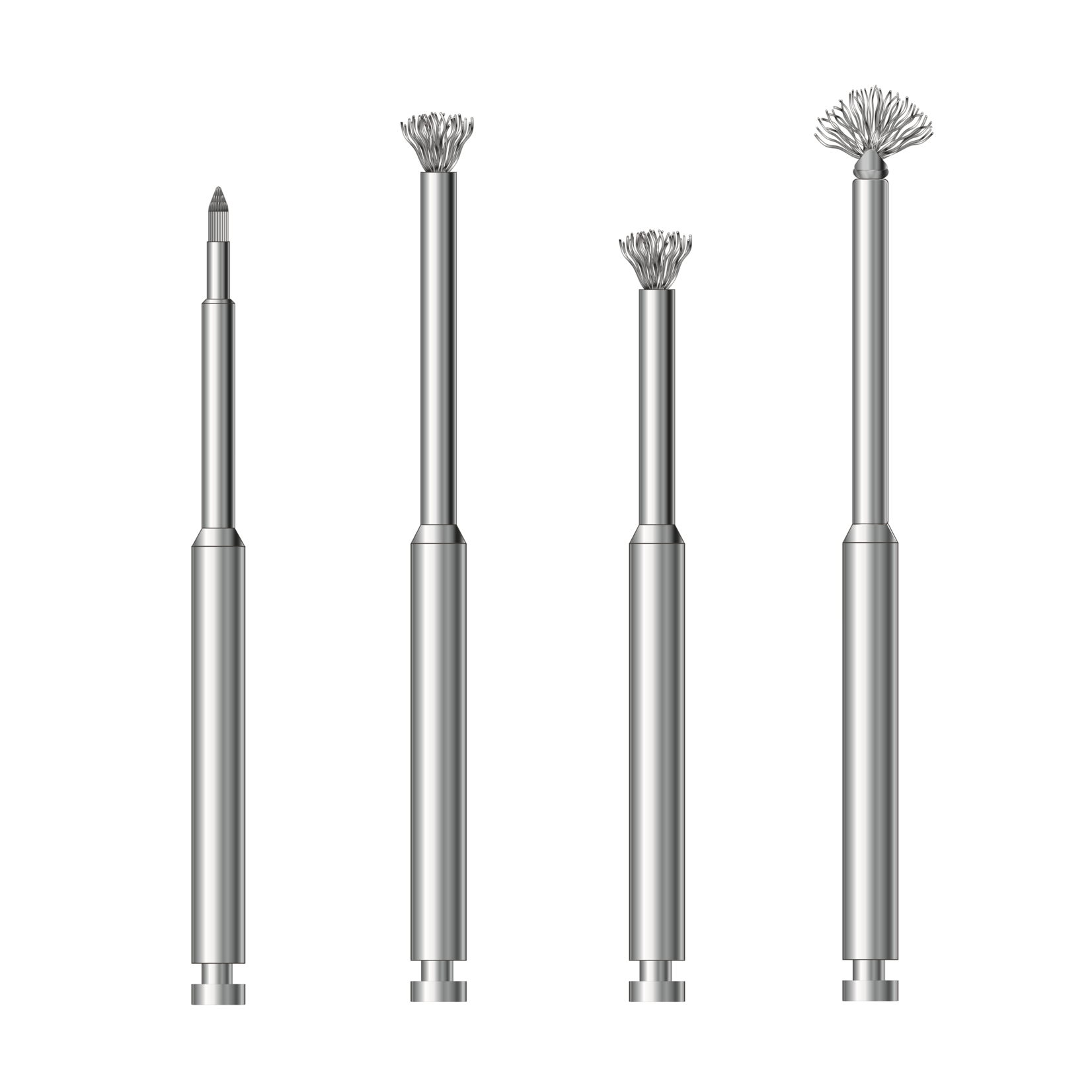
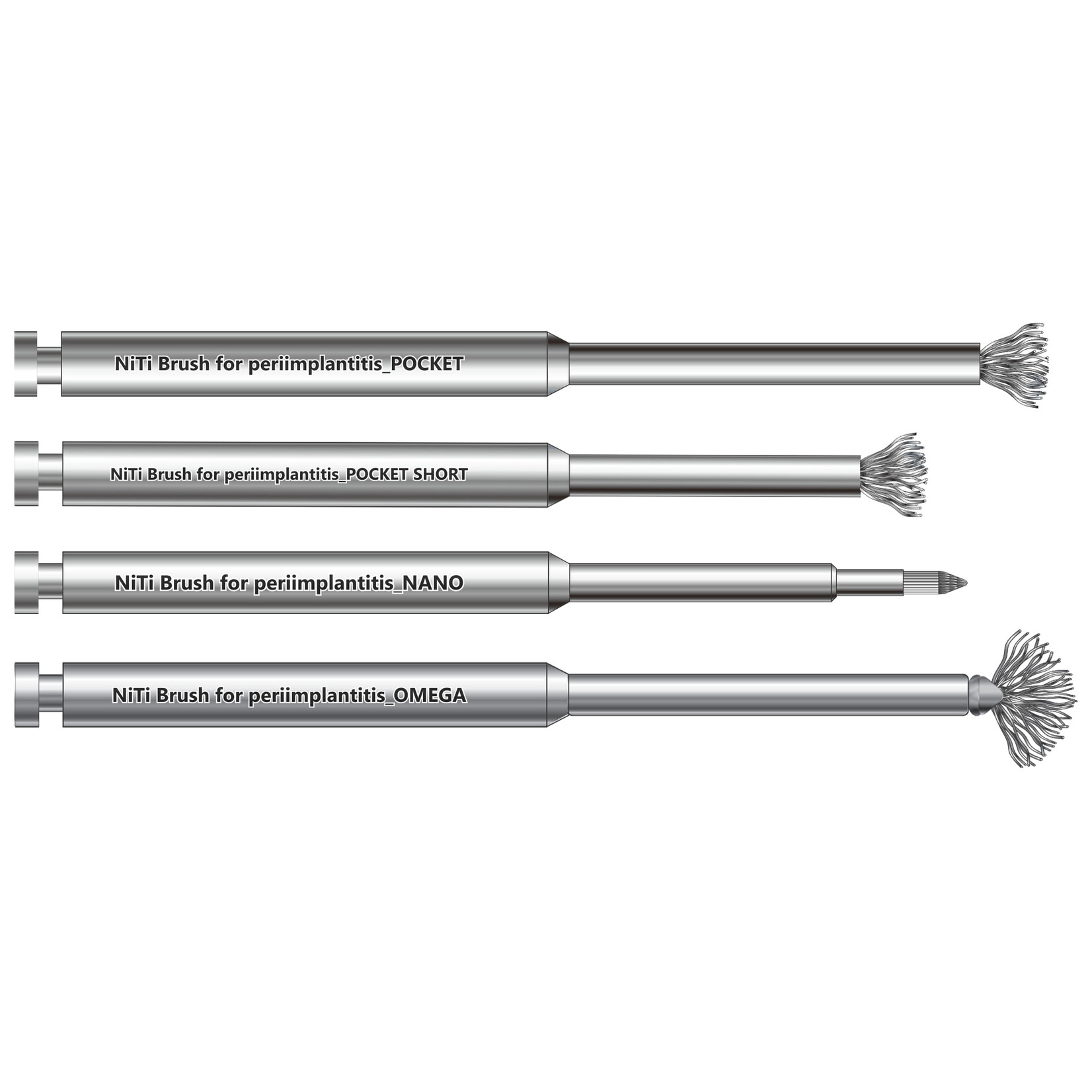
Nano · Pocket · Short · Omega
CLINICALLY DOCUMENTED
Extensive scientific literature
According to the manufacturer, the NiTi Brush is explicitly named in 34 publications. They come from 141 investigators at 59 institutions in 20 countries and cover more than 1,088 treated implants with follow-up periods of approximately 6 to 120 months. The brush also serves as the mechanical reference method in multicentre randomised trials.
NITI BRUSH
Available models
NiTi Brush · Overview by brush shape and area of use.
Model Brush shape Area of use
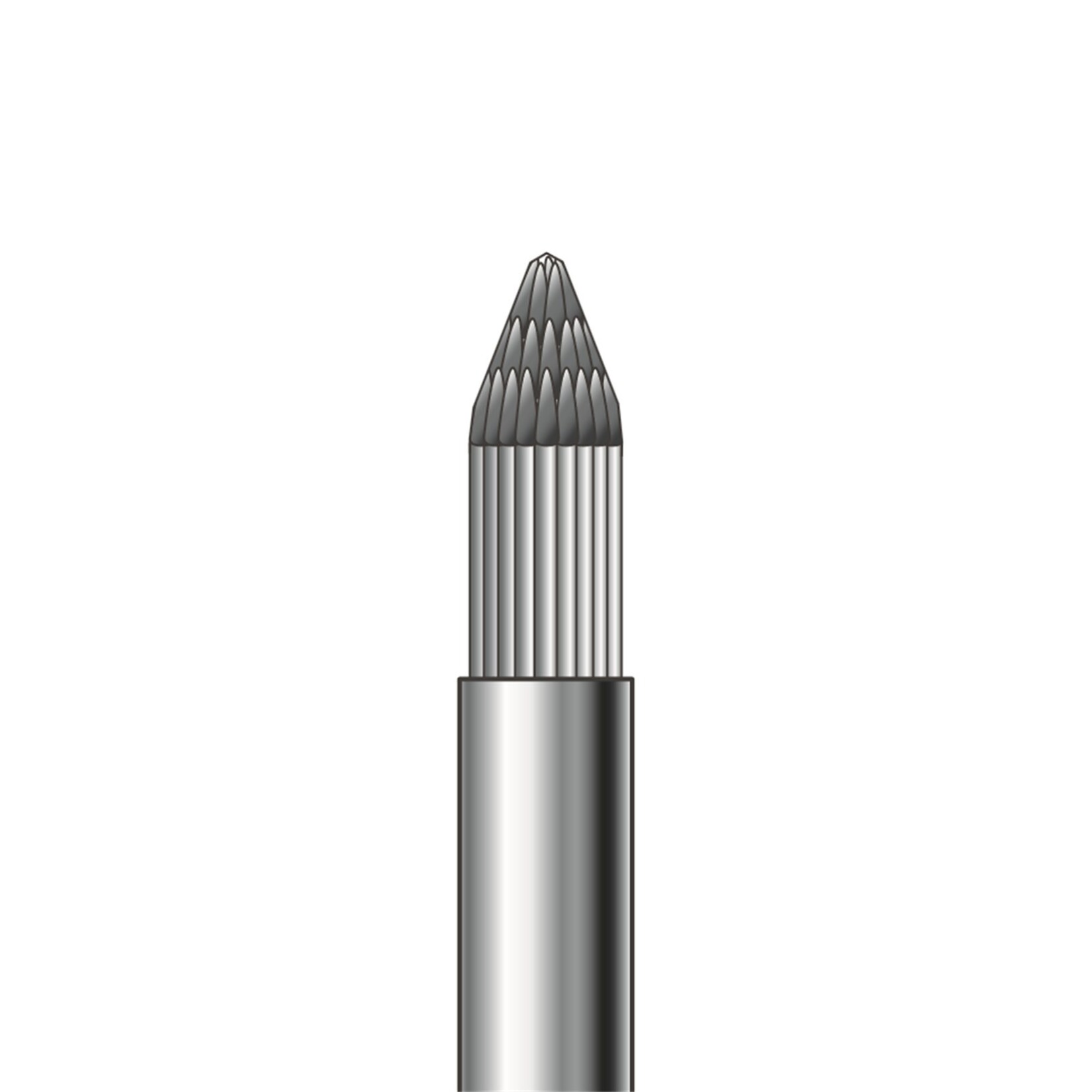
Nano Bundled, pointed bristles 1–2 exposed threads, early peri-implantitis, targeted work
Pocket Open brush head More than 2 exposed threads – standard model for most cases
Pocket Short Like Pocket, shorter shank Molar region and limited mouth opening
Omega Wide, splayed head that wraps around the thread Deep, extensive defects
Available individually or as a set of 4 – the set can be mixed individually. Please state the desired models in the order note.
WORKING PRINCIPLE
What makes the NiTi Brush special?

In peri-implantitis, parts of the implant surface are exposed and covered with biofilm, granulation tissue and calculus. This surface must be thoroughly cleaned before regenerative therapy.

The flexible nickel-titanium bristles adapt to the thread and also clean inside the thread grooves without altering the implant geometry. The surface is returned to a machined finish. A visible colour change to a bright, metallic surface indicates the end point of cleaning.

APPLICATION
Treatment procedure
  1. Diagnosis and access: flap elevation and exposure of the defect
  2. Brush selection: choose the model according to the number of exposed threads and the defect shape
  3. Sterilisation: autoclave in a sterilisation pouch at 134 °C for at least 15 minutes
  4. Debridement: 600–1,200 rpm with continuous external saline irrigation; approx. 2–3 minutes per implant reported in the literature
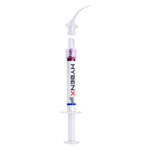
  5. Chemical decontamination: optional, to remove residual biofilm (e.g. with HYBENX)
  6. Regeneration: followed by guided bone regeneration (GBR)
FOR CLINICIANS
Indications & notes
  • Debridement and decontamination of the implant surface in peri-implantitis
  • Surgically treated defects with flap access
  • Cases in which the implant is to be retained, e.g. under fixed bridges
  • Only with an implant motor and 20:1 handpiece – not with a turbine or high-speed handpiece
  • Contraindicated in patients with known titanium or nickel allergy
  • For single use only
RELATED PRODUCTS
HYBENX Biofilm Remover – antibiotic-free debridement adjunct as gel or liquid, ideal as the chemical step after mechanical debridement.
NeoBiotech R-Brush – additional brush for implant cleaning.
Manufacturer's note: The NiTi Brush is a class IIa medical device by HANS KOREA CO., Ltd. Use according to the individual clinical situation and the manufacturer's current instructions for use (IFU). Images may differ from the product supplied.
implantat titanbürste / Tigra PeriBrush / Tigran / Tigran PTG

You might also like

Please accept cookies to help us improve this website Is this OK? Yes No More on cookies »